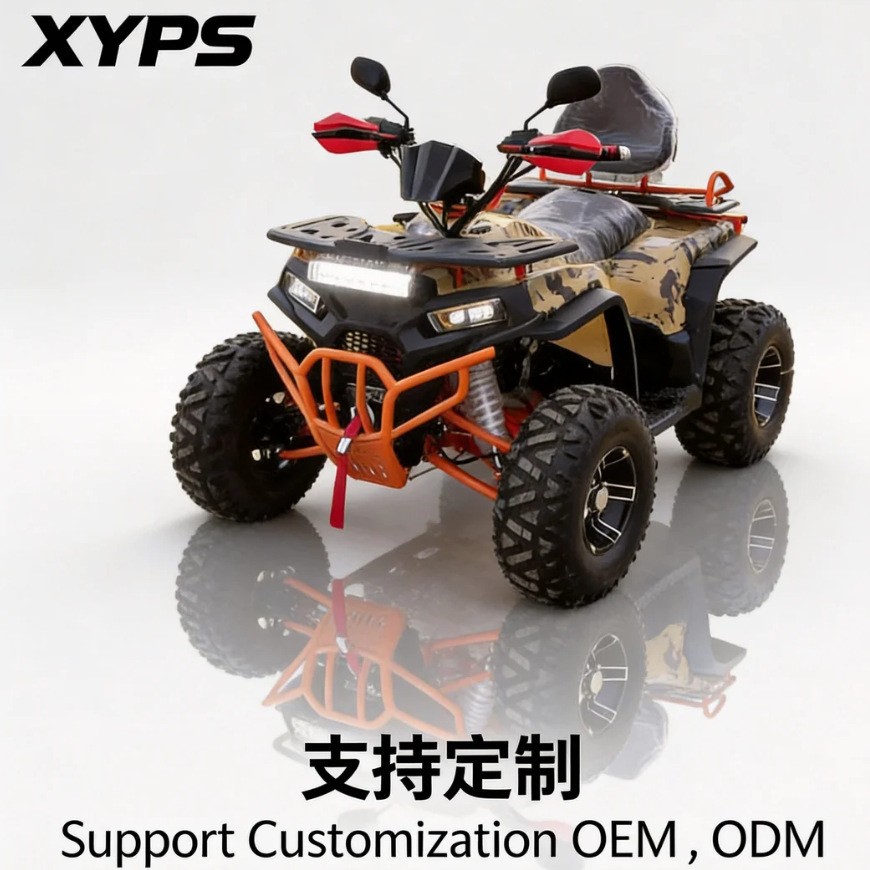
The logo is the visible part of OEM work. The harder job is keeping the product, labels, manuals, packing and commercial basis aligned.
Write a market and product brief.
State destination country, buyer type, application, quantity, target timing, target cost, required documents and sales channel.
List mandatory features separately from preferences so feasibility and quotation discussions stay clear.
Select one identifiable base model.
Use one model number, one controlled specification, one image set and one declared supply status.
Do not approve artwork on a product that is still changing in frame, engine, battery or major configuration.
Control logo, decals, labels and colors.
Provide vector artwork, color references, placement dimensions, language and legal-mark requirements.
Approve production-ready proofs and record any substrate, color or process limitations.
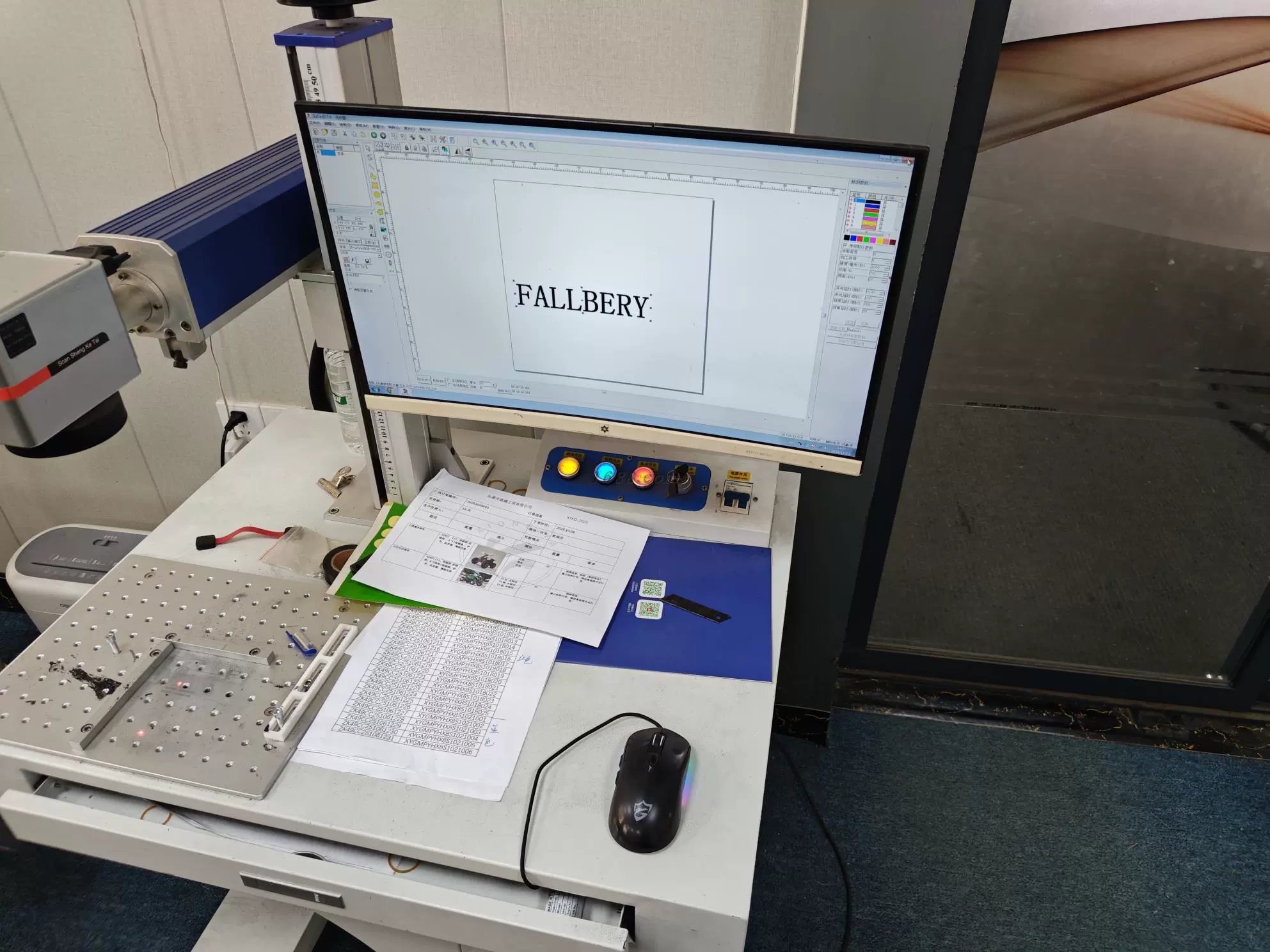
Use a written sample checklist.
Review product function, appearance, identification, labels, manuals, included parts and packing.
Record approved deviations and close unresolved items before mass production begins.
Connect QC points to the approved record.
Define incoming, in-process and final checks that matter for the exact model and OEM scope.
Changes after sample approval should require written review of cost, timing, documents and compatibility.
Close packing, documents, parts and support.
Confirm carton marks, quantities, weights, CBM, loading, document set and spare-parts package.
Keep the final quotation, specification, approvals, inspection and shipping records together for repeat orders.