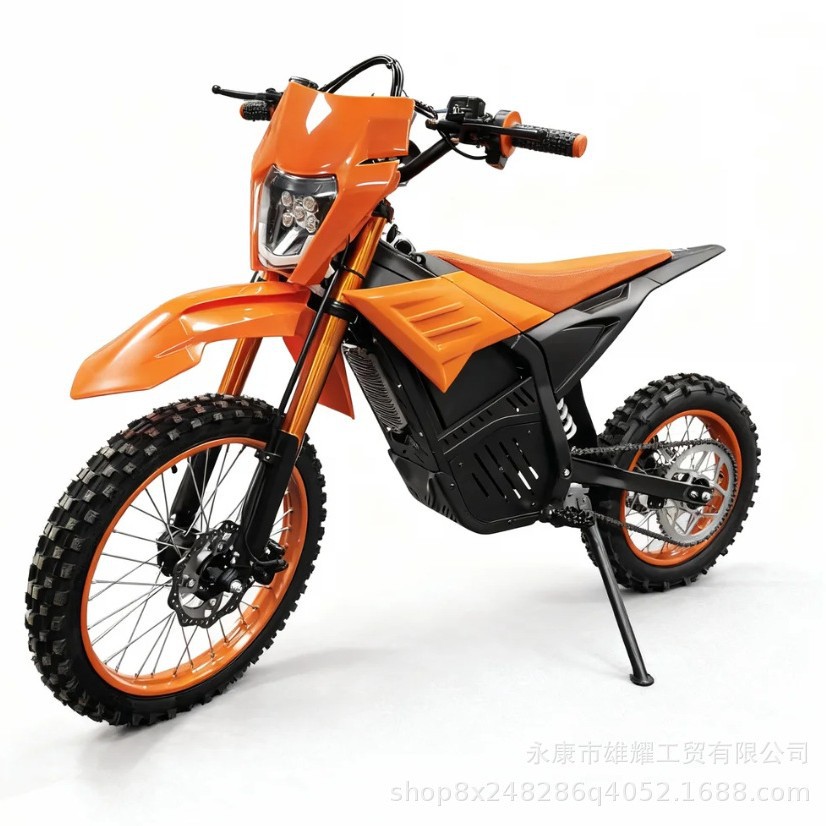
Power type is a program decision, not a trend decision. Compare how the vehicle will be sold, operated, serviced, stored and shipped.
Start with the operating model.
Retail buyers, rental fleets and project operators value different combinations of refueling, charging, noise, service access and uptime.
Define daily distance, terrain, rider turnover, storage, downtime tolerance and local support before comparing headline specifications.
Compare the real energy infrastructure.
Gasoline platforms require fuel storage, engine service and emissions-related market review. Electric platforms require charging capacity, electrical safety and battery-management discipline.
For fleets, estimate simultaneous charging, turnaround time and storage conditions instead of assuming every vehicle can charge whenever needed.
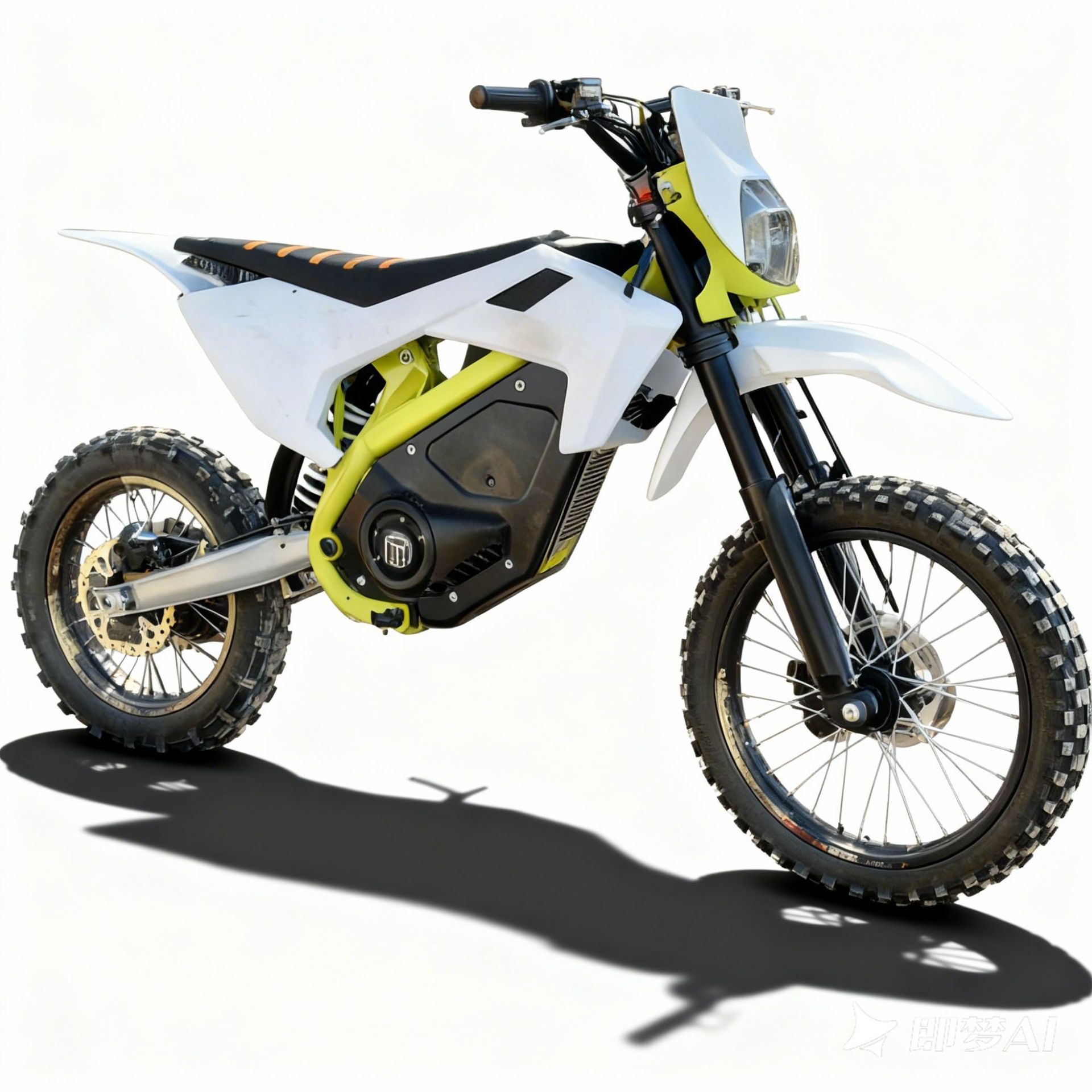
Maintenance changes—it does not disappear.
Electric drivetrains remove some engine-service items but add battery, connector, controller, charger and diagnostic needs.
Gasoline service networks may be more familiar in some markets, while electric systems may offer simpler routine maintenance for controlled fleets.
Compare verified performance, not labels.
Displacement, watts or voltage alone cannot establish acceleration, speed, range, climbing or load performance.
Request test conditions, vehicle weight, gearing, controller settings, battery data and terrain context for every published figure.
The document set is different.
Gasoline products may involve emissions, noise and vehicle-class requirements. Electric products add battery and charger documents plus dangerous-goods considerations.
Tell the supplier the destination country before selecting a model so the relevant evidence can be checked.
Choose the system your channel can support.
Score each option against buyer demand, infrastructure, service, logistics, compliance, parts and total operating model.
A mixed lineup can work, but every power system adds product-data, training, spare-parts and support complexity.