A long product list does not automatically make a supplier suitable for your program. The goal is to find a company that can provide consistent, verifiable information and execute the agreed product.
Start with your market, not the catalog.
Define the destination country, customer segment, application, target quantity, price range and expected compliance before requesting models. Without this context, a supplier can only send a generic list.
A good first inquiry explains who will buy the vehicle, where it will operate, whether the program is wholesale or rental, and whether private labeling is required.
The right shortlist starts with the buyer and operating environment.
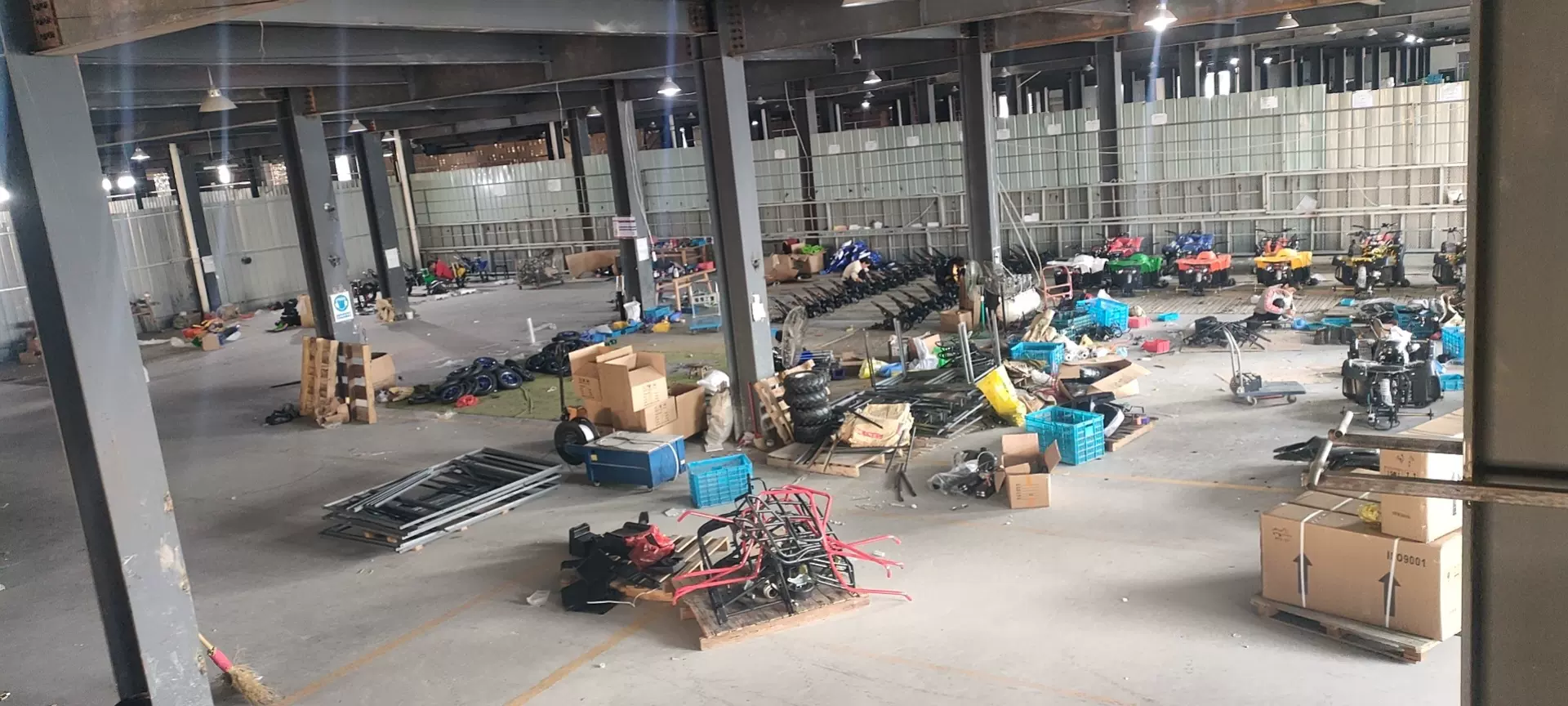
Verify the legal company and factory.
Confirm the legal entity, factory address, manufacturing environment and person responsible for the business discussion. Ask whether the listed product is manufactured, assembled, traded or supplied through another brand relationship.

Make every model uniquely identifiable.
Each quoted model should have one stable model number, one controlled specification sheet and one matching image set. Marketplace titles, duplicated listings and working translations are not sufficient for a purchase record.
Match documents to the exact product.
Do not accept a general statement such as “CE available” without checking the product, report or certificate number, standard, issue date, holder and destination-market relevance.
Review production and quality checkpoints.
Ask how incoming components are checked, which assembly stages are recorded, what final tests are performed and how nonconforming products are handled. Photos should support the described process.
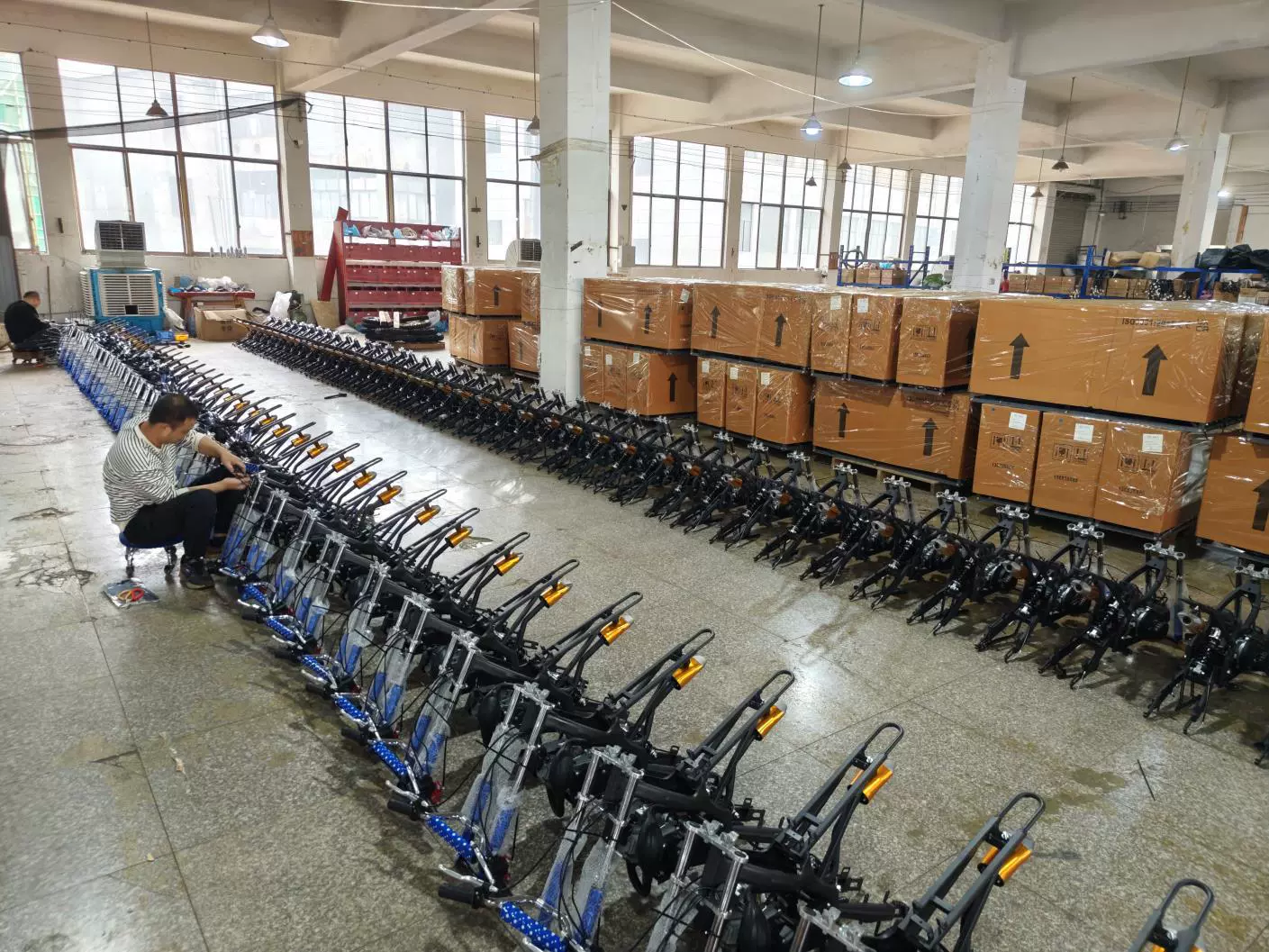
Request packing and container data.
For each final configuration, request net weight, gross weight, packing dimensions, CBM, packing method and loading quantity. This information affects landed cost and damage risk.
Plan spare parts and warranty before shipment.
Agree on a recommended parts list, warranty scope, claim process and repeat-order lead time. The quotation and contract should control these terms—not a generic website FAQ.